Thirty Years of Food Engineering Experience Behind Your Next Factory Investment
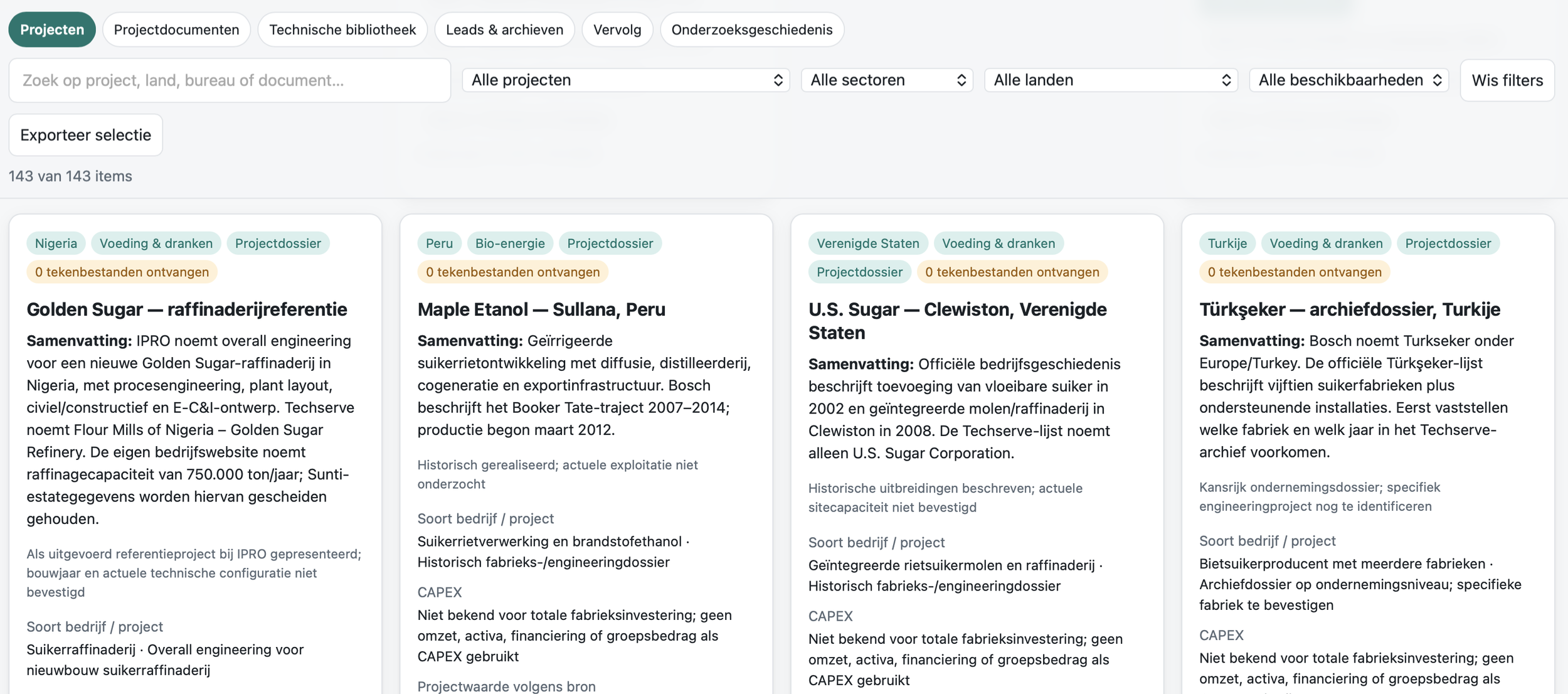
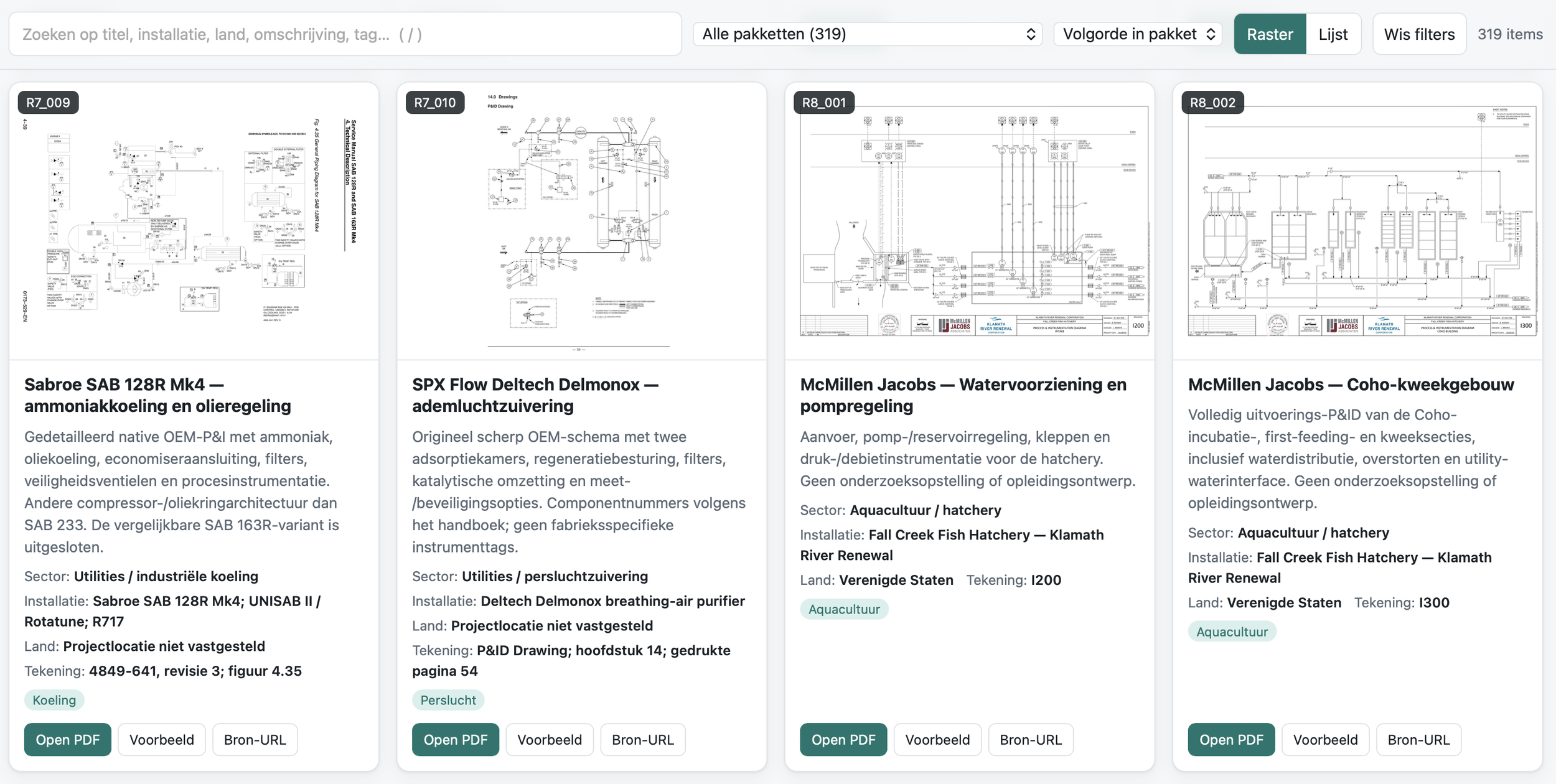
With more than 700 machines, over 300 piping and instrumentation diagrams, and a database covering more than 150 projects, Food Technology Services combines practical engineering experience with its own software to support early factory design and investment decisions.
A new food production line starts with a product, a capacity target and a set of questions. Which process configuration makes sense? What equipment is needed? How much investment will it require, and what will it cost to operate?
At Food Technology Services (FTS), we help turn these questions into a practical starting point for decision-making. Alongside our FlowBite software platform, we draw on thirty years of accumulated project knowledge, including databases from our own work and third-party sources.
This combination helps us develop preliminary designs and CAPEX and OPEX estimates efficiently, with assumptions grounded in practical experience.
A knowledge base built over three decades
The value of an engineering database goes beyond the number of records it contains. Its usefulness lies in understanding how equipment, processes and project costs relate to one another, and which references are relevant to a new situation. Our internal knowledge base includes:
More than 700 machines and their specifications, providing references for equipment selection, capacity assessment and preliminary process design.
Over 300 complete piping and instrumentation diagrams (P&IDs) for factory lines, offering insight into how equipment, piping, utilities and process controls fit together.
A project database covering more than 150 projects, bringing together experience from our own projects and third-party sources to inform new studies.
Each new project has its own requirements. Reference data provides a useful foundation; our engineering judgement helps translate it into a design suited to the product, production scale and operating conditions.
From an initial idea to a preliminary factory concept
Early in a project, detailed information is often limited. Yet decisions about capacity, technology and investment still need to be made.
Our experience and databases help us establish a first process concept, identify the main equipment requirements and explore alternative configurations. We can then assess how choices such as production volume, operating hours and automation affect the technical and economic picture.
For example, a larger machine may offer room for growth, but its economics depend on how much of that capacity will actually be used. Similarly, additional automation can increase the initial investment while changing labour requirements and operating costs.
Exploring these relationships during preliminary design helps teams identify the assumptions that matter most before moving into detailed engineering.
Connecting process design with CAPEX and OPEX
A useful feasibility study connects the proposed factory with the cost of building and running it.
CAPEX, or capital expenditure, covers the investment required to realise the project. Depending on the scope, this includes equipment, installation, utilities, engineering and contingency.
OPEX, or operating expenditure, covers the recurring costs of production, including ingredients, packaging, labour, energy, water, cleaning and maintenance.
Looking at both together helps reveal the consequences of design choices. A lower equipment purchase price, for example, may come with higher energy consumption or greater labour requirements. Assessing the full picture supports a more informed investment decision.
FlowBite and CostBite: supporting the engineering and business case
Our software supports this work alongside our practical project knowledge.
FlowBite provides a platform for process modelling, while CostBite helps translate project assumptions into an economic assessment. Its structured workflow connects equipment and investment estimates with product costs, financial projections and scenario analysis.
This allows an initial business case to develop as the project becomes more defined. Early estimates can be refined with updated equipment information, supplier quotations and more detailed operating assumptions.
Read more about the approach in CostBite: Build Your Food Factory Business Case in Seven Steps.
A stronger foundation for your next project
Preliminary studies are most useful when they make the basis for a decision clear: the proposed process, the expected investment, the operating costs and the uncertainties that still need to be resolved.
At FTS, we combine thirty years of practical experience, extensive reference databases and our own software to help build that foundation. Whether you are exploring a new factory, expanding an existing facility or scaling up a new product, we can help you move from an initial idea to a structured preliminary design and business case.
Planning a food production investment? Contact Food Technology Services to discuss your process concept, preliminary design and CAPEX and OPEX assessment.